

Korean skincare products for hyperpigmentation are best chosen by the type of uneven-looking tone a shopper wants to address, the active ingredients already in the routine and the texture they can use consistently. For European retailers and individual buyers, the most practical approach is to compare brightening serums, toners and moisturising formats without promising that a cosmetic will erase dark spots.
Searches for hyperpigmentation can refer to post-blemish marks, sun-related uneven tone, dullness or a general wish for brighter-looking skin. These concerns may look similar but do not always need the same routine. A focused guide should therefore explain ingredient roles, compatible product formats and the importance of daily sunscreen rather than promoting a single miracle product.
This article uses cautious terms such as brightening, even-looking tone and the appearance of dark spots. It does not use the phrase skin whitening as a product promise. Buyers should assess label directions and individual tolerance, while persistent or changing pigmentation concerns may require advice from an appropriate professional.
What can Korean skincare products for hyperpigmentation realistically support?
Cosmetic skincare can support a routine aimed at brighter-looking, more even-looking skin. It may also help improve the appearance of post-blemish marks over time when products are used consistently and the skin is protected during the day. Results vary, and an article should not imply that every form of pigmentation has the same cause or response.
A useful first step is to separate three common shopping needs: recent post-blemish marks, long-standing uneven-looking areas and overall dullness. Someone focused on dullness may prefer a hydrating toner plus an antioxidant-style serum. A shopper concerned with post-blemish marks may compare niacinamide, tranexamic-acid or azelaic-acid products within a simple routine.
Serums usually offer the most direct way to add a targeted brightening step. The serums and ampoules collection can be filtered by ingredient angle and texture, while toners and essences can provide a lighter supporting layer for shoppers who prefer gradual routines.
How do vitamin C, niacinamide, TXA and arbutin differ?
These ingredients often appear in the same search cluster, but they should not be treated as identical. Vitamin C products are commonly selected for antioxidant and brightening positioning. Niacinamide is a versatile option used in formulas for even-looking tone, barrier support and oil-balance goals. Tranexamic acid, often shortened to TXA in product names, is sought for targeted discoloration routines, while arbutin appears in formulas aimed at the appearance of uneven tone.
The formula around the highlighted ingredient matters. Concentration, pH, supporting ingredients, packaging and frequency can affect how easy the product is to use. A retailer should avoid ranking products only by percentage and instead provide a clear explanation of texture, routine placement and who may prefer a simpler formula.
| Ingredient angle | Common shopper goal | Routine guidance |
|---|---|---|
| Vitamin C | Dullness and brighter-looking skin | Usually positioned as a targeted serum; introduce carefully if the routine already contains exfoliants or retinoid-style products. |
| Niacinamide | Even-looking tone, barrier support and oil-balance goals | Available across toners, serums and creams; choose a comfortable formula instead of automatically selecting the highest percentage. |
| TXA | The appearance of dark spots and uneven tone | Often found in combined brightening serums; check the complete formula and avoid promising removal of pigmentation. |
| Arbutin | Targeted brightening routines | Useful as one element of a routine that also includes hydration and daytime sunscreen. |
| Azelaic-acid products | Post-blemish marks and blemish-prone routines | Introduce as a measured targeted step and reduce overlapping strong products. |
How should a brightening routine be organised?
A good routine uses one main brightening product and keeps the other steps supportive. In the morning, cleanse as needed, apply a hydrating layer if useful, use the selected serum, moisturize and finish with sunscreen. In the evening, remove sunscreen or makeup, cleanse, use the targeted product according to its directions, then add moisturizer.
Not every ingredient needs to be used twice a day. Some shoppers prefer vitamin C in the morning and a different targeted product on alternate evenings, but a more complex calendar is not automatically better. When introducing a product, keep the rest of the routine stable long enough to assess comfort.
If a toner, essence and serum all make the same brightening claim, the routine may be repetitive. Choose the texture that fits the shopper’s habits. A toner can cover hydration and light brightening, while a serum can provide a more focused step. A cream may be useful when the customer wants brightening and moisturising roles combined.
- Choose one primary brightening active rather than layering several new ones together.
- Use a gentle cleanser and adequate moisturizer around targeted products.
- Follow the label for frequency and storage, especially for sensitive formulas.
- Use daily sunscreen as the final morning skincare step and follow the product directions.
- Review the routine if persistent stinging, dryness or discomfort develops.
Which K-beauty brand pages can help narrow the choice?
Brand pages are useful after a shopper understands the ingredient and format they want. Anua products can be explored across toner, serum and mask formats. The Beauty of Joseon range offers several familiar serum and routine concepts, while Dr. Melaxin products can be compared by cream, serum and targeted-care format.
For shoppers who want a comfort-focused supporting routine, the SKIN1004 collection provides a route into centella-positioned products and lighter textures. The brand itself should not determine suitability; compare the actual product format, directions and routine role.
Retailers can turn these brand pages into a structured consultation. First identify the concern and preferred texture, then compare relevant products across brands. This avoids forcing every customer into one trend-led solution and reduces keyword overlap between an educational article and a commercial brand archive.
What claims and routine combinations need extra care?
Brightening language should stay cosmetic and specific. Phrases such as supports more even-looking tone or helps improve the appearance of post-blemish marks are more appropriate than promises to remove pigmentation. Avoid using whitening as a benefit statement, even when the phrase appears in keyword research.
Combining several strong products can make a routine difficult to tolerate. Vitamin C, exfoliating acids and retinoid-style products may each have a place, but they do not need to be applied together. A retailer can provide a simple alternate-use plan while reminding buyers to follow individual labels.
Sunscreen is central to a daytime routine focused on uneven-looking tone, yet an article should not make unsupported claims about a particular SPF product. Help shoppers choose a sunscreen they are willing to apply consistently and explain that the label and local public-health guidance take priority over generic internet rules.
How can retailers build a brightening skincare assortment?
Build the assortment around different entry points instead of many near-identical serums. A practical range can include a beginner-friendly niacinamide option, a vitamin C serum, a TXA or arbutin-focused product, one hydrating brightening toner, compatible moisturizers and daily sunscreens. Masks can add discovery value but should not replace a consistent routine.
Use shelf labels that describe the product role and texture. Grouping by brightening, post-blemish marks and glow can be useful, but avoid suggesting that a cosmetic is suitable for every type of pigmentation. Staff training should include basic combination guidance and a clear boundary between beauty advice and medical advice.
With KBeautyStock, European retailers can mix brands and categories in one order from EU stock, starting from a €200 mixed-brand minimum with MOQ 1 per SKU. That allows a store to test several ingredient angles and formats, then expand the lines that match real customer questions rather than buying a deep quantity of one unproven trend.
Best ingredient
Which Korean skincare ingredient is best for dark spots?
There is no single best ingredient for every shopper. Niacinamide, vitamin C, TXA, arbutin and azelaic-acid products serve different preferences and routines. Choose one targeted product based on the concern, formula, tolerance and products already in use.
Toner or serum
Is a toner or serum better for hyperpigmentation routines?
A serum is usually the more focused treatment format, while a toner can add hydration and a lighter supporting brightening step. A shopper does not need both if they duplicate the same function. The better choice is the format they can use consistently without overloading the routine.
Ingredient mixing
Can vitamin C, niacinamide and TXA be used together?
Some formulas intentionally combine ingredients, but layering several separate active products is a different decision. Follow each label, introduce products gradually and simplify the routine if discomfort develops. A combined formula may be easier for beginners than several separate serums.
Retail product mix
What brightening products should a small beauty retailer stock?
Start with a limited choice of serums covering different ingredient angles, one hydrating toner, compatible moisturizers and sunscreen options. Add masks or toner pads for discovery purchases only when they complement the core routine and your staff can explain their role.
Products to explore for uneven-looking tone
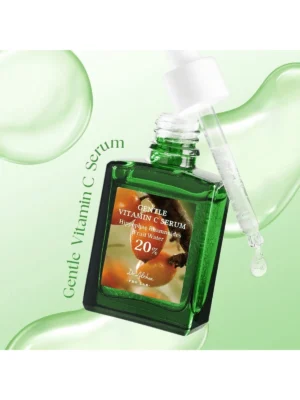
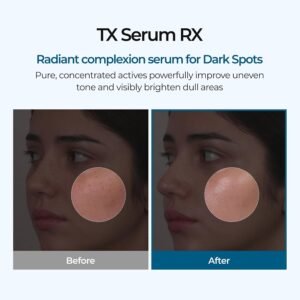
These in-stock formats show the vitamin C, tranexamic-acid and arbutin ingredient angles discussed above. Check the current product page before adding a targeted product to a routine.




Choosing Korean skincare products for hyperpigmentation
Choose Korean skincare products for hyperpigmentation by concern, ingredient angle, texture and routine compatibility. One well-selected brightening product, comfortable hydration and consistent daytime sunscreen are generally more understandable than a crowded stack of overlapping actives.
Start by comparing targeted options in the Korean serum and ampoule range, then build the rest of the routine around comfort and clear product roles. Retailers can use this decision path to create a credible brightening assortment without making claims the products cannot support.
Professional buyers can review current availability in the Korean beauty wholesale stock list before planning a mixed-brand order.




