

The best Korean moisturizer for dry skin is usually a cream or lotion that provides lasting comfort without forcing the shopper to change the rest of the routine. Oily and combination skin may prefer gels or lighter emulsions, while barrier-stressed skin often needs a simpler routine and a more protective texture. This guide compares formats rather than declaring one product best for everyone.
Moisturizer choice depends on more than skin type. Climate, season, cleanser, exfoliating products, sunscreen and makeup can all change how a cream feels. A retailer should therefore describe texture, finish and routine role clearly, allowing customers to choose between gel cream, everyday cream, richer night texture and barrier-positioned products.
Ingredients such as ceramides, panthenol and hyaluronic-acid formulas can help shoppers navigate, but the complete formula matters. Cosmetic moisturizers support hydration and skin comfort; they should not be described as curing a damaged barrier or treating a skin disease.
Which Korean moisturizer texture suits each skin type?
Dry-feeling skin often prefers a cream with a more protective finish, especially in cool or dry conditions. Oily-feeling skin may be more comfortable with a gel cream or light lotion. Combination skin can use one balanced texture across the face or adjust the amount by area rather than buying multiple products immediately.
The Korean moisturizers and creams collection should be browsed by texture and use case. A rich product is not automatically better for dryness if the customer dislikes wearing it, and a gel is not automatically sufficient when the surrounding routine is highly exfoliating.
Sensitive or barrier-stressed skin benefits from fewer variables. A straightforward cream used consistently may be easier to evaluate than switching among several active moisturizers. Customers reporting persistent or severe concerns should seek appropriate professional advice.
| Skin preference | Useful texture starting point | Adjustment to consider |
|---|---|---|
| Dry-feeling | Cream or richer lotion | Add a hydrating toner or serum only if it provides extra comfort. |
| Oily-feeling | Gel cream or light emulsion | Review drying cleansers and active products instead of skipping hydration completely. |
| Combination | Light cream or balanced lotion | Use less on oily zones and more on dry zones before buying two moisturizers. |
| Sensitive or reactive-feeling | Simple comfort-focused cream | Introduce one product at a time and avoid stacking several fragrance or active variables. |
| Seasonally dry | Flexible lotion plus optional richer night cream | Adjust amount and texture as weather and indoor heating change. |
What is the difference between gel cream, cream and night cream?
Gel creams emphasise a light, water-rich feel and often suit shoppers who dislike an occlusive finish. Standard creams contain a broader balance of water and emollient components and can work across many routines. A night cream usually signals a richer texture or evening positioning, not a separate biological requirement.
A customer can use the same moisturizer morning and night if it works beneath sunscreen and feels comfortable in the evening. Separate day and night products are useful when texture needs differ, but they are optional. Retailers should not imply that two creams are required to complete a K-beauty routine.
Packaging also affects use. Jars offer easy access to rich creams, while tubes and pumps can be convenient and controlled. These practical differences matter for repeat purchase and travel, even though they are often missing from ingredient-focused comparisons.
How do ceramides, panthenol and hyaluronic acid fit?
Ceramide-positioned moisturizers are commonly selected for barrier-support and dry-skin routines. Panthenol is used in products focused on hydration and comfort. Hyaluronic-acid formulas attract shoppers seeking water-based hydration, but a serum containing humectants does not always replace a moisturizer that helps create a comfortable finish.
The highlighted ingredient should match a broader formula and texture. A high-profile ingredient in a gel may still feel too light for a dry winter routine, while a simple cream without a trendy percentage may perform the everyday moisturising role more effectively for that customer.
Brands such as Dr. Althea and SKIN1004 offer useful routes into barrier- and soothing-positioned product searches. Compare the available cream, gel and ampoule formats instead of assuming all products in a brand serve the same skin type.
How should moisturizer fit with serum and sunscreen?
Apply lighter hydrating products before moisturizer, then use sunscreen as the final morning skincare step. The moisturizer amount can be adjusted according to the sunscreen finish. A hydrating sunscreen may reduce the need for a rich cream, while a matte-positioned sunscreen may feel better over a light moisturising layer.
In the evening, targeted serums or retinoid-style products may influence moisturizer choice. Some shoppers prefer a simple cream after the active step, while others alternate strong-product nights with recovery-focused routines. Follow product directions and avoid using moisturizer as permission to combine several potentially irritating actives.
Pilling can result from incompatible textures, too many layers or applying large amounts quickly. Simplify, allow layers to settle and adjust one product at a time. Replacing the moisturizer is only one possible solution.
- Use toner or essence only when it adds a distinct hydrating role.
- Apply serum before moisturizer when both are used.
- Adjust moisturizer amount rather than treating the label as a fixed dose.
- Use sunscreen after moisturizer in the morning according to product directions.
- Review cleanser and active frequency if the skin remains uncomfortable.
Which brands offer useful moisturizer comparison points?
The Anua range can be explored across ingredient-led creams and supporting routine products. SKIN1004 gives shoppers several centella-related texture routes, while Dr. Althea is often considered for barrier and relief-style cream searches. The Dr. Melaxin collection adds another route into cream, serum and targeted-care formats.
A brand comparison should not repeat the brand archive. Use it to explain texture, routine role and the kind of customer question each product answers. Keep individual product names and exact claims on the relevant product pages.
For retailers, offering one light, one medium and one rich texture across several price points can be more useful than stocking many creams with the same finish. Customers should be able to feel or understand the difference before buying.
How can retailers build a Korean moisturizer assortment?
Build around texture first: gel cream, light lotion or cream, richer barrier-positioned cream and optional night texture. Then add ingredient angles such as centella, ceramides, panthenol, peptides or brightening components where they create meaningful choice.
Use season and climate to plan stock depth. Lightweight moisturizers may be easier to sell in warm weather, while richer creams can gain relevance during colder months or for customers using drying active routines. Keep evergreen everyday textures available throughout the year.
European professional buyers can mix brands and product categories through KBeautyStock’s EU stock model, with a €200 mixed-brand minimum and MOQ 1 per SKU. This supports testing several textures from Anua, SKIN1004, Dr. Althea, Dr. Melaxin and other brands before increasing quantities based on local repeat demand.
How to tell whether a moisturizer texture is working
Comfort over several hours is more useful than the first minute after application. Notice whether dry areas still feel tight, whether makeup separates, whether the T-zone becomes uncomfortably heavy and whether the product layers without rolling. Adjust quantity before abandoning a texture: a small amount of a rich cream may work better than a thick layer, while a gel cream may need a hydrating toner underneath.
Climate matters as much as skin-type labels. Heated indoor air, cold weather and frequent cleansing can increase the need for richer support. In warmer conditions, lighter layers may be easier to maintain. Retail guidance should leave room for those seasonal changes and should explain that texture preference can change without the customer’s basic skin type changing.
Dry-skin texture
Is a Korean gel cream enough for dry skin?
Sometimes, particularly in warm or humid conditions, but many dry-skin shoppers prefer a cream or lotion with a more protective finish. Evaluate comfort through the day and consider the cleanser and active products used around it.
Oily-skin hydration
Does oily skin need moisturizer?
Many oily-feeling skin routines benefit from a light gel cream or emulsion. Skipping moisturizer is not the only way to reduce heaviness; simplifying serums and choosing a lighter sunscreen can also help.
Day and night
Do you need separate day and night moisturizers?
No. One moisturizer can work at both times if it feels comfortable and layers well with sunscreen. Separate products are optional when a shopper wants a lighter morning texture and richer evening finish.
Retail range
Which moisturizer textures should a retailer stock first?
Begin with a gel cream, an everyday light-to-medium cream and a richer barrier-positioned option. Add specialised night, brightening or active creams only when they answer a distinct customer need.
Korean moisturizer textures to explore
These in-stock cream formats illustrate different texture and routine roles. Check the product page and choose the finish that fits the shopper’s comfort and climate preferences.


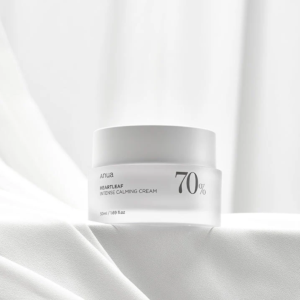
Choosing the best Korean moisturizer for dry skin and beyond
The best Korean moisturizer for dry skin should feel comfortable enough for consistent use and fit the cleanser, serums, climate and sunscreen around it. Oily and combination skin can use the same decision process with lighter textures and adjusted amounts.
Compare gel, lotion, cream and barrier-focused options in the Korean moisturizer collection. Retailers can turn these clear texture differences into a balanced assortment that helps customers choose without relying on exaggerated claims.
Professional buyers can review current availability in the Korean beauty wholesale stock list before planning a mixed-brand order.




