


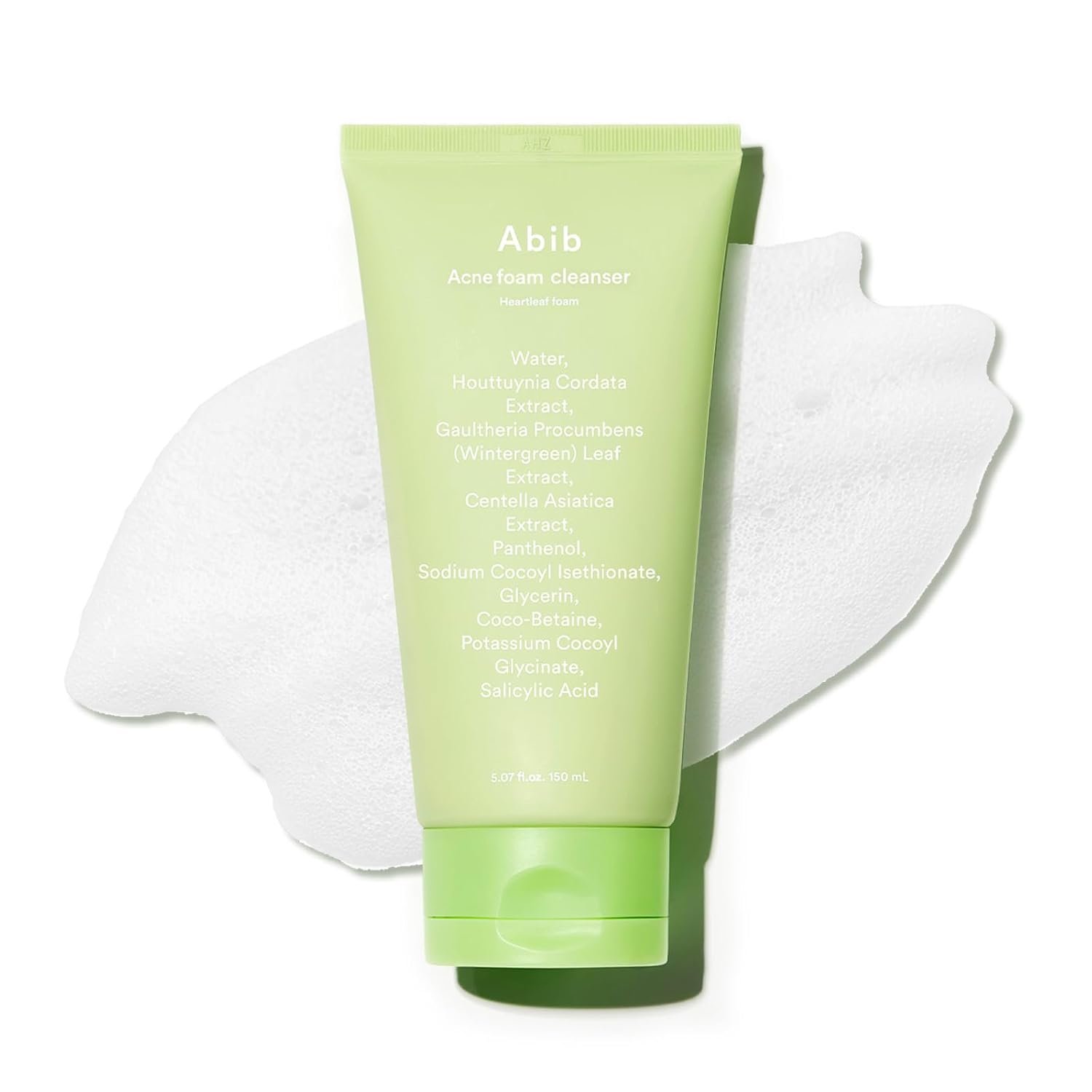
Best-selling Korean skin care products are most useful as a shopping concept when they are organised by routine role, customer demand and product availability—not presented as an invented sales ranking. This guide highlights the cleanser, toner, serum, cream, sunscreen, mask and set formats that retailers commonly need to cover when building a K-beauty assortment.
KBeautyStock does not use this article to claim a proprietary list of top sales. The phrase best-selling reflects the way shoppers search for popular product types and familiar K-beauty routines. Actual performance varies by country, audience, price point, season and stock, so professional buyers should test a balanced range and use their own sales data to decide what to reorder.
For small buyers, the same structure helps separate a complete routine from trend-led extras. Start with products that have clear everyday jobs, then add discovery items such as masks, pads or travel sets. Popularity can attract attention, but usability and repeat purchase create a stronger assortment.
Which popular Korean skincare categories matter most?
A core assortment should cover cleansing, hydration, targeted care, moisturising and daytime sunscreen. These categories answer recurring customer needs and allow retailers to build complete routines. Masks, toner pads and travel sets are useful additions, but they should not replace the products customers use consistently.
The Korean face care collection gives buyers a broad view of available categories. Use it to identify gaps: perhaps the store has several serums but no suitable first cleanser, or many rich creams but few lightweight options. Category balance is more important than copying a generic top-ten list.
Retailers should also consider how products will be explained. A cleanser can be grouped by first or second cleanse, a toner by hydration or exfoliation, and a moisturizer by texture. Clear decisions at category level make individual products easier to sell.
| Category | Why it earns core space | Useful range variation |
|---|---|---|
| Cleansers | Daily routine entry point and repeat purchase potential | Oil or balm, mild gel, comfortable foam. |
| Toners and essences | K-beauty discovery and hydration step | Watery, milky, soothing, brightening, targeted exfoliating. |
| Serums and ampoules | Ingredient-led search demand | Hydrating, soothing, brightening and carefully positioned active options. |
| Moisturizers | Completes routines across skin preferences | Gel cream, lotion, barrier cream and richer night texture. |
| Sunscreens | Daily-use category with strong format interest | Fluid, cream, stick and tone-up only where market demand supports it. |
| Masks and sets | Discovery, gifting and routine trial | Sheet, gel, sleeping mask and travel sizes. |
How should cleansers and toners be selected for a popular-products range?
Cleansers create the foundation. Stock at least one makeup- or sunscreen-removing first cleanser and several water-based textures. Popular product searches may mention a specific foam or cleansing oil, but the assortment should still offer a sensible choice for dry-feeling, oily-feeling and sensitive shoppers.
Toners are most understandable when separated by job. Hydrating and soothing toners can serve broad daily routines, while exfoliating toners and pads require clearer guidance. Milky and essence-like textures add variety for shoppers who want fewer but more substantial layers.
When deciding which items deserve deeper stock, look for repeat purchases and complementary basket behaviour. A cleanser that consistently pairs with a toner or moisturizer may be more valuable than a viral item purchased once without a routine around it.
Why do serums, creams and sunscreen drive product discovery?
Serums and ampoules capture ingredient-led searches for centella, heartleaf, niacinamide, vitamin C, peptides and retinoid-style care. This makes them strong discovery products, but also easy to overstock. Build around a few clear goals and avoid carrying many formulas that appear interchangeable to the customer.
Moisturizers support repeat purchase because texture preferences are personal and seasonal. A gel cream, everyday cream and richer barrier-positioned option create meaningful differences. Sunscreen adds another daily-use category, but only verified packaging and product data should be used for SPF claims.
The strongest popular-product selection connects these categories. A soothing ampoule should have a compatible moisturizer nearby; a brightening serum should sit within a routine that includes daily sunscreen; an exfoliating toner should not be displayed as if it belongs with every other active product.
Where do masks, toner pads and travel sets fit?
Masks and toner pads are accessible discovery formats. They can introduce customers to ingredients and brands at a lower commitment, but they should be positioned with realistic cosmetic language. A single mask does not replace a consistent routine or guarantee a lasting result.
The sets and travel collection can help shoppers try a line, build a gift or assemble portable routines. For retailers, sets can raise basket variety and support brand discovery without requiring the customer to choose every step individually.
Place these products near relevant core categories. A hydrating mask can sit beside moisturizers, a toner pad beside the toner range and a travel kit near brand displays. Context makes impulse products easier to understand and can lead customers back to full-size routine items.
How should retailers evaluate a trending or best-selling claim?
Ask what the claim is based on. A product may be popular on social media, highly searched, prominent in one retailer or a proven seller in your own store. These are different forms of evidence. Do not translate online attention directly into a guaranteed sales forecast.
Use a test-and-reorder process. Start with small quantities across distinct product roles, record sell-through and customer questions, then deepen stock where the pattern is repeatable. Include lead time, price point, shelf life, packaging quality and staff confidence in the decision.
Customers also benefit from transparency. A heading such as popular K-beauty formats or customer-interest picks is more defensible than claiming every featured item is a verified market bestseller. Search-friendly copy can remain accurate.
- Separate search popularity from your own sales performance.
- Review stock availability before publishing a listicle.
- Avoid numerical rankings without a documented dataset and time period.
- Update links and product availability when the assortment changes.
- Use category pages for shopping and the article for selection logic.
How can a European retailer build a balanced first order?
Allocate the first order across routine roles rather than spending most of the budget on one viral product. A sample mix might include first and second cleansers, hydrating and targeted toners, several serum goals, light and rich moisturizers, multiple sunscreen formats, and a smaller discovery allocation for masks and sets.
Use the KBeautyStock brand directory to compare brands while keeping the category plan stable. Mixing brands can reduce dependence on one product line and create price or texture alternatives for customers.
KBeautyStock offers EU stock, a €200 mixed-brand minimum and MOQ 1 per SKU for professional buyers. This structure supports a test assortment across categories and brands. Reorder based on your own sell-through, margin, customer feedback and seasonal needs rather than treating an online popularity list as a permanent buying plan.
How to turn product popularity into a useful assortment
Interest is only one part of assortment planning. A retailer also needs clear routine coverage, sensible price points, repeat-purchase potential and product stories that staff can explain without exaggeration. Start with dependable daily categories, then use masks, pads, travel sets or newly discussed ingredients to add discovery.
Review the range as a system. If several serums serve a similar brightening story but there is no gentle cleanser or comfortable moisturizer, the assortment may attract clicks without helping customers finish a routine. Stock depth should follow actual demand and replenishment patterns, not an unsupported claim that every trending item is a bestseller. Recheck availability and buyer questions regularly because a useful assortment should evolve with real purchasing behaviour.
Meaning of best-selling
Are these products ranked by KBeautyStock sales?
No. This guide uses best-selling as a search and shopping theme, then organises product types by routine value and common customer interest. Retailers should use their own dated sales data to create a true ranking.
Starter categories
Which K-beauty categories should a new retailer buy first?
Start with cleansers, toners, a focused serum selection, moisturizers and sunscreens. Add masks, pads and travel sets in smaller quantities for discovery. Make sure every category has a clear purpose and staff explanation.
Viral products
Should a retailer stock every viral Korean skincare product?
No. Check whether the product fits your audience, price position, current routines and stock plan. Test small quantities, watch repeat demand and avoid duplicating products that customers cannot distinguish.
Small mixed order
Can small retailers test several Korean skincare brands?
Yes. KBeautyStock’s mixed-brand purchasing model, €200 minimum and MOQ 1 per SKU allow professional buyers to create a varied test order, subject to current product availability and account conditions.
Popular K-beauty product types to explore
These in-stock products represent recognisable cleanser, essence and sunscreen formats. They are examples of product types to compare, not a claimed sales ranking.

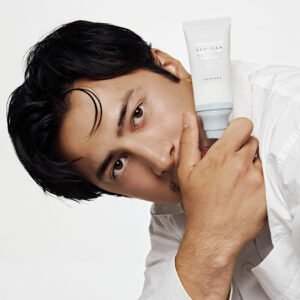
Using best-selling Korean skin care products as a buying guide
Best-selling Korean skin care products should be treated as a starting point for category planning, not an unsupported ranking. Cover daily routine roles, add distinct textures and ingredient angles, and let your own customer demand determine which products earn deeper stock.
Browse the Korean face care catalogue to compare categories, then use small mixed-brand orders to test a balanced range. The most valuable popular product is one that customers understand, use consistently and choose to buy again.
Professional buyers can review current availability in the Korean beauty wholesale stock list before planning a mixed-brand order.

