

The best Korean toner is the one that fills a clear gap in the routine: hydration, soothing, gentle exfoliation or brighter-looking tone. Toner is optional rather than a compulsory K-beauty step, so shoppers and European retailers should compare function, texture and frequency instead of assuming every routine needs several liquid layers.
A watery toner can add light hydration after cleansing, while an essence-like toner may feel more substantial. Exfoliating toners and toner pads are targeted formats and should not be used like unlimited hydrating products. Choosing the right category prevents customers from accidentally stacking multiple exfoliants or buying a toner that duplicates their serum.
This guide separates the main toner intentions, explains how toners differ from essences and pads, and shows how retailers can build an assortment that is easy to navigate. It does not claim that a toner changes skin structure or is necessary for everyone.
Which type is the best Korean toner for your routine?
Start by naming the job. A hydrating toner adds a light water-based layer and may suit customers who find one cream insufficient or prefer several thin layers. A soothing toner is chosen for comfort-focused routines. A brightening toner may combine hydration with ingredients positioned for even-looking tone, while an exfoliating toner is a scheduled targeted step.
The Korean toners and essences collection contains products across these roles. Filter first by purpose, then by texture and highlighted ingredients. Brand or trend should come after the customer understands what the product adds to the routine.
If the shopper already uses an exfoliating cleanser and a strong active serum, an acid toner may add unnecessary overlap. If the routine feels dry but the moisturizer is otherwise suitable, a hydrating toner can be a lighter adjustment. Toner selection should solve a real routine problem.
| Toner type | Primary role | Best retail explanation |
|---|---|---|
| Hydrating toner | Adds a light water-based layer | Useful before serum or moisturizer when the shopper wants hydration without a heavier cream. |
| Soothing toner | Supports comfort-focused routines | Look at the complete formula and avoid guaranteeing suitability for every sensitive skin type. |
| Exfoliating toner | Targets texture and the appearance of congestion | Present as a scheduled active step, not a product for unlimited layering. |
| Brightening toner | Supports brighter, more even-looking tone | Good for shoppers who want a lighter brightening format than a separate serum. |
| Essence toner | Combines toner fluidity with a more substantial feel | Useful for customers who prefer fewer products with a richer first layer. |
What is the difference between toner and essence?
There is no universal technical boundary that makes every toner thinner and every essence more concentrated. In practice, toner usually describes an early liquid step, while essence often signals a more treatment- or hydration-focused texture. Many modern products use names such as essence toner or treatment essence, so the label alone is not enough.
Ask what the product does, how it feels and where the brand instructs it to be used. If a toner and essence both provide similar hydration, a shopper may need only one. If the essence is a targeted fermented or brightening step while the toner is a simple hydrating layer, they can have different roles.
For ecommerce filters, retailers should preserve the official product type but add useful attributes such as hydrating, exfoliating, soothing, brightening, watery or milky. This makes mixed toner and essence categories easier to shop without rewriting product identities.
How are toner pads different from bottled toner?
Toner pads combine liquid formula with a pre-soaked pad. They offer convenience, controlled portions and a wipe or short-contact application style. The pad itself adds a physical action, so customers should not assume that repeated rubbing is necessary for better results.
The Korean toner pads collection can be divided into hydrating, soothing, brightening and exfoliating options. Exfoliating pads deserve especially clear frequency guidance because shoppers may already use acid cleansers, serums or masks.
Bottled toner gives users more control over application with hands or cotton. It may be preferable for customers who dislike disposable pads or want to adjust the amount. Retailers can stock both formats but should explain the convenience and routine differences rather than presenting pads as a stronger version of toner.
Which ingredients and textures suit common toner goals?
Hydrating toners often highlight humectant and water-binding ingredients, while milky toners may include emollient components that leave a softer finish. Heartleaf and centella appear frequently in soothing-positioned products. Rice, niacinamide and vitamin derivatives may be used in brightening concepts, and AHA or BHA signals an exfoliating role.
Customers can explore Anua for several ingredient-led toner concepts, Eqqualberry for toner and active-positioned ranges, and Round Lab for familiar hydration-focused shopping routes. The product page and label should remain the final source for ingredients and directions.
Avoid choosing only by the most recognisable ingredient. Texture, fragrance preference, packaging and other active products can be more important to daily use. A toner should make the routine easier or more comfortable, not add another complicated decision.
How should toner be used in a morning or evening routine?
Toner is generally used after cleansing and before thicker serums, creams or sunscreen. Apply according to the product directions. Some hydrating toners can be layered, but repeated layers are optional; one comfortable application is enough for many users.
An exfoliating toner should be treated differently from a hydrating toner. Follow its frequency guidance, avoid introducing several strong products at the same time and review the whole routine for overlapping exfoliants. A separate hydrating toner can be used on other days if it provides a clear benefit.
In the morning, keep the sequence light enough for sunscreen to sit comfortably. In the evening, toner can prepare the routine for a serum or moisturizer. If pilling or heaviness develops, remove duplicate layers before replacing every product.
- Cleanse, then apply toner with clean hands or a pad as directed.
- Use serum or ampoule after toner when it has a separate role.
- Finish with moisturizer, and use sunscreen as the final morning skincare step.
- Treat acid toner and exfoliating pads as targeted products rather than hydration mist.
How can retailers build a useful Korean toner range?
Cover needs before multiplying brands. A strong starter range includes a simple hydrating toner, a soothing option, one milky or essence-like texture, a brightening format and one clearly labelled exfoliating toner. Add toner pads where convenience or discovery purchasing is relevant.
Use shelf and online filters that explain purpose and texture. Training should help staff distinguish a hydrating toner from an active toner and explain that the step is optional. Honest guidance increases the chance that customers choose a product they will actually finish and repurchase.
KBeautyStock supports European retailers with EU stock, a €200 mixed-brand minimum and MOQ 1 per SKU. Buyers can test a small assortment across Anua, Eqqualberry, Round Lab and other brands, then build depth around the toner types that generate repeat questions and sales in their own market.
When toner improves a routine and when it only adds another step
A toner is useful when it performs a clear job: adding a light hydration layer, offering a comforting step after cleansing or delivering an ingredient that is not already duplicated elsewhere. It is less useful when several toners, pads and serums repeat the same active story. Compare the complete routine before adding another bottle.
For retailers, organise toner choices by use rather than trend alone. A small range can include one daily hydrating liquid, one soothing option, one carefully positioned exfoliating product and one pad format. That structure is easier to explain than a shelf of near-identical claims.
Is toner necessary?
Do you need a toner in a Korean skincare routine?
No. Toner is useful when it adds hydration, soothing, exfoliation or another clear function. If the cleanser, serum and moisturizer already create a comfortable routine, a toner is optional.
Daily use
Can Korean toner be used every day?
Many hydrating toners are positioned for regular use, but exfoliating toners and pads may require a different schedule. Follow the specific label and consider other active products in the routine rather than applying one rule to every toner.
Hands or cotton
Should toner be applied with hands or a cotton pad?
Both methods can work when they match the product directions. Hands may reduce product absorbed by cotton, while a pad offers a wiping or pre-soaked format. Avoid rough rubbing, particularly with exfoliating products.
Retail starter mix
Which toner types should a small retailer stock first?
Start with hydration, soothing, a milky or essence texture, one brightening option and one carefully positioned exfoliating product. Add pads as a separate convenience format and make the differences visible in filters and shelf copy.
Korean toner types to compare
These in-stock products illustrate hydrating, exfoliating and soothing toner directions. Select one that fills a real routine gap rather than layering similar products.
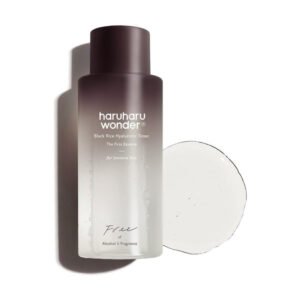


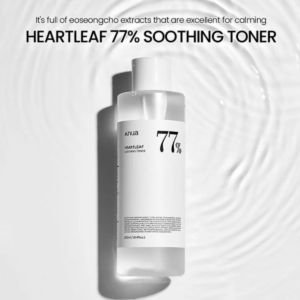

How to choose the best Korean toner
The best Korean toner has a defined role, a texture the customer enjoys and a place in the routine that does not duplicate stronger products. Decide between hydration, soothing, brightening and exfoliation first; brand and trend can follow.
Compare current options in the Korean toner and essence range. Retailers can use the same framework to build a varied but understandable selection that supports useful advice rather than keyword-heavy merchandising.
Professional buyers can review current availability in the Korean beauty wholesale stock list before planning a mixed-brand order.




