


The basic Korean skincare routine order is cleanser, optional toner or essence, targeted serum or ampoule, moisturizer and sunscreen in the morning. At night, remove makeup or sunscreen first, cleanse, use selected treatment steps, then moisturize. The correct order is based mainly on product role and texture, not on reaching a fixed number of K-beauty steps.
This guide is for beginners, small buyers and European beauty retailers who need a simple sequence they can explain. Many steps are optional. A shopper with a comfortable three-product routine does not need to add toner, essence, several serums, eye cream and a mask only because those products exist.
The most useful principle is to apply lighter water-based layers before thicker creams, while following the individual label when it gives different instructions. Introduce targeted products gradually, avoid overlapping strong actives and keep sunscreen as the final morning skincare step.
What is the Korean skincare routine order in the morning?
A practical morning routine prepares the skin for the day without creating so many layers that sunscreen or makeup becomes uncomfortable. Cleansing can mean a gentle cleanser or a water rinse depending on the shopper’s preference. Toner and serum are optional; moisturizer is adjusted by skin comfort and sunscreen texture.
Use the broader Korean face care catalogue to understand each category, then build only the steps needed. The sequence below is a guide rather than a requirement for every product.
- Step 1: gentle cleanse or rinse.
- Step 2: toner or essence when it adds hydration or another clear function.
- Step 3: one targeted serum or ampoule.
- Step 4: moisturizer as needed for comfort.
- Step 5: sunscreen according to the verified product label.
- Step 6: makeup, if used, after the skincare layers have settled comfortably.
What is the Korean skincare routine order at night?
The evening routine focuses on removing the day’s makeup and sunscreen, cleansing, applying selected targeted products and supporting comfort overnight. A first cleanser is useful when makeup or resistant sunscreen requires it, but double cleansing is not a ritual that every user must follow every night.
Browse cleansers and makeup removers by first-cleanse and water-based roles. An oil or balm can loosen makeup, followed by a gel or foam cleanser. If one product performs the needed job comfortably, a second cleanser may be unnecessary.
After cleansing, use toner or essence if it serves the routine, then a targeted serum. Finish with moisturizer. Masks, eye care and sleeping packs are optional additions scheduled according to product directions rather than placed into every evening by default.
- Step 1: remove makeup and sunscreen when needed.
- Step 2: complete the cleanse with a suitable water-based product.
- Step 3: use toner or essence if it adds a distinct role.
- Step 4: apply one planned serum, ampoule or treatment product.
- Step 5: use eye care if desired and label directions allow.
- Step 6: finish with moisturizer or a sleeping product where appropriate.
Where do toner, essence, serum and ampoule belong?
Toner and essence usually come after cleansing. The distinction can be flexible: toner often describes an early liquid layer, while essence may signal a more substantial hydration or treatment role. If two products perform the same function, using both is optional.
Serum and ampoule generally follow toner or essence and precede moisturizer. The serums and ampoules collection covers hydrating, soothing, brightening and active categories. Choose one main goal rather than layering several strong products because they have different names.
Apply by texture only after checking the label. A very light serum usually comes before a thicker one, but a brand may give specific directions. Product instructions take priority over a generic thin-to-thick rule.
| Step | Main role | Can it be skipped? |
|---|---|---|
| Toner | Hydration, soothing or targeted liquid step | Yes, when it adds no distinct benefit. |
| Essence | Hydration or treatment-style early layer | Yes, especially if toner or serum already covers the role. |
| Serum or ampoule | Focused ingredient or concern step | Yes, for a minimal routine; otherwise choose one main goal. |
| Eye product | Texture designed for the eye-area routine | Yes; a suitable facial moisturizer may be enough for some users. |
| Mask or sleeping pack | Occasional hydration, soothing or discovery step | Yes; use according to product directions rather than every night. |
When should moisturizer and sunscreen be applied?
Moisturizer follows water-based treatment steps and helps create a comfortable finish. Choose from the moisturizers and creams range by texture: gel cream, lotion, everyday cream or richer barrier-positioned option. The amount and richness can differ between morning and evening.
Sunscreen is the final morning skincare step before makeup. Select from the Korean sunscreen collection according to verified packaging, finish and format. Follow the label for application and reapplication rather than relying on a universal shortcut.
If sunscreen pills, simplify the layers underneath, use smaller amounts of optional products and allow them to settle. A heavy morning routine may not need both a rich cream and a moisturising sunscreen. Adjust the sequence as one system.
Which steps can beginners skip?
Beginners can start with cleanser, moisturizer and sunscreen, then add one serum for a clear goal. Toner is optional, double cleansing depends on what needs to be removed, eye cream is a preference, and masks are occasional products. A shorter routine makes it easier to identify what works and what causes discomfort.
A routine should also fit time and budget. If a customer will not use seven products consistently, a well-chosen four-step routine is better. Retail staff can offer good, better and expanded versions of the same routine without suggesting that the shortest version is incomplete.
Strong actives deserve their own schedule. Exfoliating acids and retinoid-style products should not be added to every night automatically. Follow labels, introduce one at a time and keep recovery nights simple.
- Essential role: cleanse effectively without persistent discomfort.
- Essential morning role: use sunscreen as directed.
- Usually helpful: moisturize according to texture preference and routine.
- Optional: toner, essence, eye product, mask, sleeping pack and multiple serums.
- Targeted: exfoliating, retinoid-style or strong brightening steps on a planned schedule.
How can retailers turn routine order into a product assortment?
Build complete routines across a few customer profiles. A beginner set can include cleanser, moisturizer and sunscreen. A hydration set adds toner or essence. A targeted set adds one serum. Travel sizes can help customers try the sequence without buying several full-size products.
Merchandise by step while keeping categories visible. Shelf numbers and online filters can show cleanse, prepare, target, moisturize and protect. Avoid turning the system into a rigid ten-step claim; explain that customers can enter and exit the routine at different levels.
KBeautyStock’s EU stock, €200 mixed-brand minimum and MOQ 1 per SKU let European professional buyers test complete routines across several brands. A retailer can assemble small mixed sets, learn which sequence customers understand and reorder the individual steps that show genuine repeat demand.
How to simplify the order when products start to pill
Pilling often comes from too many layers, incompatible film-forming textures or insufficient settling time rather than an incorrect numbered step. Reduce the routine to cleanser, one treatment, moisturizer and sunscreen, then add optional products back individually. Use smaller amounts and avoid rubbing each layer for too long.
The thinnest-to-thickest rule is helpful, but product instructions take priority. Some treatments are designed for dry skin or limited frequency, and some sunscreen formulas perform better over fewer morning layers. A routine order should make daily use easier, not force every product into the same sequence. If the simplified version works, reintroduce just one optional step every few days and keep only the layers that add clear value.
Basic order
What is the simplest Korean skincare routine order?
Use cleanser, moisturizer and sunscreen in the morning; use cleanser and moisturizer at night. Add one targeted serum between cleansing and moisturizer when there is a clear goal. Toner, essence and masks are optional.
Serum placement
Does serum go before or after moisturizer?
Serum generally goes before moisturizer because it is usually a lighter targeted layer. Follow the product label when it provides specific instructions, particularly for unusual textures or treatment formats.
Toner and essence
Do you need both toner and essence?
No. Use both only when they have distinct roles and the routine remains comfortable. If each product provides similar hydration, choose the texture you prefer and simplify.
Retail routine sets
How should a retailer create Korean skincare routine sets?
Start with a clear cleanser, moisturizer and sunscreen set, then offer optional toner and serum upgrades. Ensure every set has compatible product roles, accurate directions and no unsupported promise of a fixed result.
Products for a simple Korean skincare routine
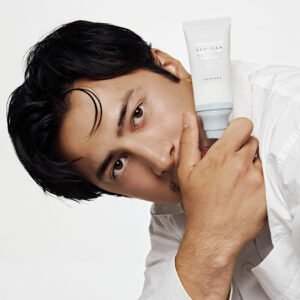
These in-stock products illustrate the cleanser, moisturizer and daytime-sunscreen roles in a simple routine. Add targeted products only when they have a clear place.


Remembering the Korean skincare routine order
The Korean skincare routine order is easier to remember as cleanse, prepare, target, moisturize and protect. Morning routines end with sunscreen; evening routines begin with adequate removal of makeup or sunscreen. Every optional layer should have a clear reason to stay.
Use toners and essences, serums, moisturizers and sunscreens as building blocks rather than compulsory steps. This creates routines that are easier for customers to follow and easier for retailers to merchandise responsibly.
Professional buyers can review current availability in the Korean beauty wholesale stock list before planning a mixed-brand order.

