
The best Korean sunscreen for oily skin is one a shopper can apply comfortably as the final morning skincare step without feeling that the finish is too heavy for regular use. Lightweight fluids, sun serums, creams and sticks each solve a different preference, so this guide compares formats, finish and reapplication use rather than naming one universal winner.
Oily-feeling skin can still experience dehydration, sensitivity or uneven texture. Choosing sunscreen only by an oil-control claim may overlook comfort, makeup compatibility and the rest of the routine. A retailer should help customers compare lotion weight, visible finish, portability and label directions while avoiding guarantees about zero shine or zero white cast for every skin tone.
This article is educational and does not replace the product label or local public-health guidance. SPF and protection claims must come from the verified product packaging. The aim here is to help European buyers and retailers understand how Korean sunscreen formats fit real routines.
What should oily skin look for in a Korean sunscreen?
Start with texture and finish. A fluid or sun serum may feel easier to spread in a layered routine, while a cream can suit shoppers who want sunscreen and a more moisturising finish. A stick is compact for touch-ups, but it is a different application experience from a lotion used as the main morning layer.
The Korean sunscreen collection includes products positioned around lightweight, hydrating, matte, tone-up and portable formats. These labels are useful filters, not absolute promises. Skin preparation, amount used, climate and makeup can change how the same sunscreen feels.
An oily-skin shopper may prefer fewer layers beneath sunscreen. If a hydrating sunscreen already feels comfortable, a rich moisturizer may be optional. If the sunscreen has a drier finish, a light hydrating product underneath may improve comfort. The routine should be adjusted as one system.
- Choose a texture the shopper is willing to apply consistently.
- Check whether the finish works alone and under makeup.
- Use tone-up products only when the visible tint matches the customer’s preference.
- Keep reapplication needs separate from the choice of a main morning sunscreen.
- Follow packaging directions for use, amount and reapplication.
How do sun serum, cream, stick and tone-up formats differ?
Sun serums and light lotions are popular because they fit easily after skincare. The word serum describes texture and positioning, not a reason to apply less than the label directs. Cream sunscreens can feel more substantial and may work well for shoppers who prefer to combine moisturising comfort with their final morning step.
Sun sticks are convenient for carrying and can be useful for touch-ups, particularly when hands are not ideal for spreading a lotion. They should still be used according to the product directions, and retailers should avoid suggesting that a quick single swipe automatically provides the same coverage as a carefully applied lotion.
Tone-up sunscreens create a visible cosmetic effect. They may appeal to customers who want brightness or a makeup-base look, but the tint can appear differently across skin tones. Samples, accurate imagery and honest shade descriptions are especially useful for online retail.
| Format | Main advantage | Question to ask before buying |
|---|---|---|
| Fluid or sun serum | Light layering and spreadability | Does it feel comfortable over the shopper’s usual moisturizer? |
| Cream sunscreen | More moisturising or cushioned finish | Will it replace the morning moisturizer or feel too rich with it? |
| Sun stick | Portable, clean touch-up format | Does the shopper understand the label’s application directions and coverage needs? |
| Tone-up sunscreen | Visible brightening or base effect | Is the tint suitable for the shopper’s skin tone and makeup preference? |
| Matte-positioned sunscreen | Reduced-shine shopping goal | Does the finish remain comfortable through the day? |
How should sunscreen fit into an oily-skin morning routine?
Sunscreen is generally the final skincare layer before makeup. Start with gentle cleansing or a rinse, apply only the hydration needed, then moisturizer if useful, followed by sunscreen according to its label. Allowing each layer to settle can help reduce pilling, but the exact routine depends on the formulas being combined.
Too many hydrating essences, serums and creams beneath sunscreen can create a heavier finish than the sunscreen alone. Instead of immediately rejecting the SPF, test a simplified morning routine. Conversely, if a matte-positioned product feels uncomfortable, a light hydrating layer underneath may help.
Makeup compatibility is not universal. Silicone content, film-forming ingredients, skin preparation and application technique can all influence pilling. Retailers should describe the observed texture conservatively and avoid guaranteeing a flawless finish across every foundation.
What is the practical role of sunscreen sticks?
A sun stick is mainly a portable format. It can make touch-ups feel more convenient and can be easy to merchandise beside travel or handbag products. It does not remove the need to follow the product’s directions for initial application and reapplication.
Brands such as Abib and Round Lab give retailers recognised routes into stick and lightweight sun-care searches. Compare the actual products available, not just brand reputation, and make clear whether the item is a stick, lotion, serum or tone-up format.
For online stores, use product titles and filters that expose the format immediately. A customer searching for a stick should not need to open several product pages to discover that an item is a cream. Accurate format information improves user experience and reduces avoidable returns or dissatisfaction.
Which brands can oily-skin shoppers compare?
The Beauty of Joseon range is often explored by shoppers who want elegant daily sunscreen textures. SKIN1004 products can be compared across Hyalu-Cica and centella-positioned sun-care formats where available. Brand pages help users see the wider routine, but the final choice should remain product-specific.
A good comparison describes texture category, visible finish, packaging and routine placement. Avoid unsupported superlatives such as completely invisible, guaranteed non-comedogenic or perfect for all oily skin. Even a well-reviewed formula may feel different in a hot climate, under makeup or on dehydrated skin.
Retailers can offer a compact test matrix: one fluid or sun serum, one creamier option, one matte-positioned product, one tone-up choice and one or two sticks. This covers meaningful preferences without filling the shelf with indistinguishable SPF products.
How can European retailers build a Korean sunscreen assortment?
Start with verified SPF products that have clear packaging and complete product data. Build across formats and finish rather than buying many variants from one trend. Staff should understand which items are main morning sunscreens, which are portable sticks and which create a visible tone-up effect.
Use customer questions to shape the range: Do they wear foundation? Do they want a moisturising or matte finish? Are they buying for everyday use, travel or touch-ups? These answers guide a more useful recommendation than skin type alone.
KBeautyStock enables European professional buyers to mix sunscreen brands and other skincare categories from EU stock, with a €200 mixed-brand minimum and MOQ 1 per SKU. This makes it practical to test several textures and formats, collect real customer feedback and deepen stock only where repeat demand develops.
How to compare sunscreen in a real morning routine
Judge sunscreen as part of the full routine rather than on an empty hand. Apply it after the moisturizer you normally use, allow layers to settle and then check shine, pilling, eye-area comfort and makeup compatibility. A fluid that feels elegant alone may behave differently over several serum layers, while a creamier format may replace moisturizer for some oily-skin routines.
Reapplication needs a practical plan too. A stick can be convenient for touch-ups, but application quantity and coverage still matter. Follow the individual label, use enough product for exposed areas and do not treat a high SPF number as permission to apply less.
Best finish
Is matte sunscreen always best for oily skin?
No. Some oily-feeling skin is also dehydrated or sensitive, so a very dry finish may be uncomfortable. Compare matte, natural and hydrating textures and consider the moisturizer and makeup used around the sunscreen.
Moisturizer step
Can oily skin skip moisturizer before sunscreen?
Sometimes, if the sunscreen itself provides a comfortable finish and the label does not indicate otherwise. Other shoppers prefer a light moisturizer underneath. Test the routine as a whole rather than treating every layer as mandatory.
Sun stick use
Can a sun stick replace regular sunscreen?
Use the stick according to its product directions. Many shoppers value sticks for portability and touch-ups, while using a lotion or fluid for the main morning application. Do not assume one quick pass provides complete coverage.
Retail selection
Which Korean sunscreen formats should a retailer stock first?
Begin with a lightweight fluid, a moisturising cream, a matte-positioned option, a tone-up choice only if your market wants it, and one or two sticks. Accurate format and finish descriptions are essential for both staff training and ecommerce filters.
Lightweight Korean sunscreen formats to explore
These in-stock SPF formats illustrate the different textures discussed in this guide. Check the current product page for directions, finish and complete product information.
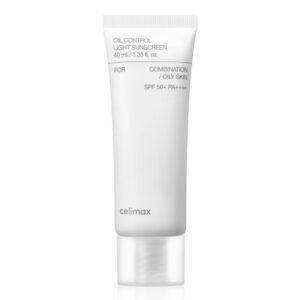


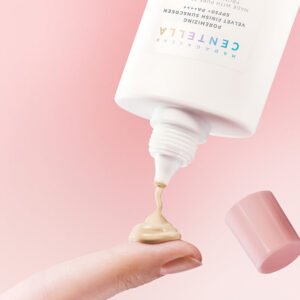
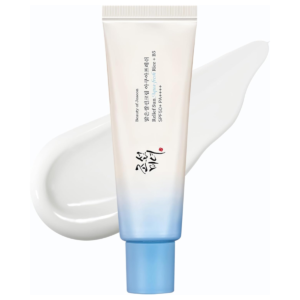

Choosing the best Korean sunscreen for oily skin
The best Korean sunscreen for oily skin balances reliable product information with a texture and finish the customer can use consistently. Compare fluid, cream, stick and tone-up formats, then simplify the surrounding morning routine before deciding that a sunscreen is too rich or too dry.
Explore current options in the Korean sunscreen range and choose by verified label, format and routine fit. Retailers can build trust by explaining real differences and avoiding claims that no single sunscreen can guarantee for every user.
Professional buyers can review current availability in the Korean beauty wholesale stock list before planning a mixed-brand order.




